India has over 600,000 villages scattered across its landscape, and some of them operate by rules that sound completely made up. But they’re not. These communities follow traditions, beliefs, and local laws that would make most outsiders do a double-take. From places where cobras sleep in your living room to villages where speaking anything but an ancient language is frowned upon, these ten communities prove that normal is relative. Let’s count them down.
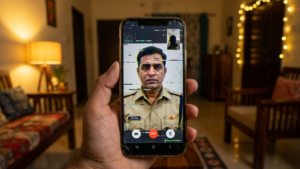
10. Punsari, Gujarat: The Village Where Technology Is Mandatory
9. Mawlynnong, Meghalaya : The Cleanest Village in Asia (And You Will Follow the Rules)
If you’ve ever dreamed of living in a place so spotless it looks like a postcard, Mawlynnong is your village. Known as “God’s Own Garden,”. The defining rule here is simple: keep it spotless or leave. There is a strict mandatory cleanliness regulation for every resident. Littering is practically a cardinal sin. You see bamboo dustbins at every corner, and streets are swept constantly. It is cleaner than most Western cities.
The level of discipline is kind of mesmerizing. Children learn to pick up trash before they learn to read properly. It challenges the stereotype that rural areas are dirty or disorganized. Here, the cleanliness is a matter of intense pride. The ban on plastic is rigid too. You really won’t find a single plastic wrapper blowing down the street.
It makes you wonder why big cities with massive budgets can’t manage this level of hygiene. Mawlynnong puts them all to shame (9)
8. Piplantri, Rajasthan – Where 111 Trees Must Be Planted for Every Girl Born
In a country where female infanticide remains a serious problem in some regions, Piplantri village in Rajasthan offers a different story. When a girl is born here, the community plants 111 trees in her name. They also establish a fixed deposit of around 31,000 rupees that she can access when she turns 18.
This rule began in 2006 when the village sarpanch lost his daughter. Grieving, he decided to honor her memory by creating a system that would value girls and environment equally. The idea caught fire.
Parents sign affidavits promising to care for both their daughter and her trees. The community monitors the growth of both. Women’s self-help groups tend to the saplings. The trees become living records of the village’s daughters.
The results are stunning. Over 350,000 trees now surround Piplantri. The water table has risen significantly. Wildlife has returned. And most importantly, families genuinely celebrate the birth of girls now. The rule transformed economics, ecology, and gender dynamics in one elegant system.
7. Shetpal, Maharashtra – Where Every Home Must Shelter Snakes
Most people run when they see a cobra. In Shetpal village, they invite cobras into their homes. Literally. Every house here has a dedicated resting spot built into the walls where snakes can sleep during the day. It’s called a “devasthan,” and it’s considered sacred.
The rule is straightforward: snakes must be protected and welcomed. Villagers believe that harming a snake brings terrible misfortune. Children grow up playing in yards where cobras slither past. Nobody panics. Nobody screams. It’s just normal life.
What makes this work? The snakes are well-fed. Villagers leave out milk and offerings. The cobras have no reason to bite because they’re never threatened or cornered. Reportedly, there hasn’t been a snake bite fatality in living memory.
The rule isn’t written on paper. It’s carved into the collective psyche. You don’t kill snakes here. You coexist with them. And apparently, the snakes got the memo too.
6. Hiware Bazar ( Maharashtra) and the Seven Bans Rule (With the most Millionaires)
Hiware Bazar used to be a struggling, drought-prone village with high crime rates. Then they implemented the “Seven Bans” rule. This isn’t just one rule, but a set of lifestyle mandates that changed everything. The village banned liquor, tobacco, open grazing, and even certain types of water-intensive crops. They also made it a rule that every family must contribute labor to community projects. This transformed them into one of the richest villages in India.
They have over 60 millionaires living in a place that used to have no water. The ban on liquor stopped domestic violence and saved family incomes. The ban on grazing saved the local forest. I think the most impressive part is how they manage their water. They don’t allow borewells to go deeper than 60 meters. You only use what the community decides is fair. It’s a level of discipline that most modern cities can’t even dream of achieving.
These strict rules turned paupers into millionaires, at least in terms of agricultural wealth. It’s a pragmatic approach that saved their lives.(6)
5. Mohityanche Vadgaon, Maharashtra and the Digital Detox Rule
We’ve all sat at a dinner table where everyone is staring at a glowing rectangle instead of talking. In the village of Mohityanche Vadgaon, they decided to fight back with a siren. Every evening at exactly 19:00, a loud alarm rings out across the community. This isn’t a drill for an emergency. It is a mandatory signal for every person to drop their phone and kill the TV. For 90 minutes, the whole village enters a state of forced digital detox.
I think this is a brilliant bit of social engineering. During this time, kids actually focus on their schoolwork and neighbors talk over fences. At 20:30, the siren sounds again, and you can go back to your digital scrolling. It sounds a bit like a boot camp for social media addicts, but the results are hard to argue with. Teachers say grades are up and parents say they actually know what their kids are thinking again. It is a simple, low tech solution to a problem that is eating the rest of the world alive. (5)
4. Vellagavi (Tamil Nadu) – No Shoes allowed
Imagine walking 300 meters up a steep mountain path only to find out you have to take your shoes off. That is the rule in Vellagavi, a remote village in Tamil Nadu. The residents believe the entire village is a temple. Because of this, nobody is allowed to wear footwear inside the village limits. They leave their shoes at the entrance, usually near a specific tree, and walk barefoot through the rocky streets.
This isn’t just for visitors. The locals go about their entire lives without shoes. They farm, cook, and travel through the forest barefoot. The village has more temples than houses, which explains why they treat the ground as sacred. I think it’s a bit of a shock for the average hiker, especially since the terrain is rough. But once you spend an hour there, you start to feel a different connection to the earth. It’s a rule that forces you to slow down and literally feel where you are going. (4)
3.Shani Shingnapur, Maharashtra: Zero Locks, Zero Doors
Imagine living in a place where your house has no front door. Not because you’re renovating, but because doors simply don’t exist. Shani Shingnapur operates on one mind-bending rule: no structure can have doors or locks. Not homes, not shops, not even the bank.
This village of roughly 4,000 people attributes their safety to Lord Shani, a deity they believe protects them from theft. And here’s the kicker: it actually works. Crime rates are nearly non-existent. The UCO Bank branch here was the first lockless bank in India, and they reported zero theft incidents for years after opening in 2011.
You can walk into anyone’s home because there’s literally no barrier stopping you. Privacy? That’s handled through curtains and trust. The village has gotten so much attention that researchers have come to study why crime stays so low. Some attribute it to the strong community bonds and the psychological effect of the belief system. Others think potential thieves are just genuinely scared of divine punishment.
The rule extends to everything. Shops close by pulling down a cloth. Temples stay open 24/7. Walking through here feels like stepping into an alternate reality where humanity actually trusts itself. The system held strong for centuries until 2010, when a small theft occurred, shaking everyone’s faith a bit. But the rule remains, and people still live doorless. (3)
2. Kongthong ,Meghalaya,and the Musical Name Rule
In Kongthong, Meghalaya, people don’t just call out your name. They whistle it. The village follows a tradition called Jingrwai Iawbei. Every mother composes a unique tune for her child shortly after birth. This tune becomes the person’s permanent name. While they have “regular” names for official documents, the villagers use the melodies for everything else. If you’re walking through the hills and hear a bird-like song, it’s probably just someone calling their friend for lunch.
This rule exists because sounds carry much better across the deep valleys than spoken words. Each tune is totally original and usually lasts about 30 seconds. I think this is one of the most poetic ways to live. Your identity is literally a song that only your mother could have written. When someone dies, their tune dies with them. It’s a beautiful, fading piece of culture that feels like it belongs in a fantasy novel. It reminds us that communication can be much more than just clicking keys on a phone. (2)
1. Malana (Himachal Pradesh) – No Touching Locals or Their Property
The top spot goes to Malana in Himachal Pradesh because its rule is the most intense. The people here believe they are the descendants of Alexander the Great’s soldiers. They consider themselves superior to everyone else. The rule? You must not touch anything. You cannot touch the people, their temple walls, or even their houses. If you want to buy something from a shop, you put the money on the counter and the shopkeeper puts the item down for you to pick up.
If you accidentally touch a wall, you have to pay a fine so they can perform a purification ritual. They take this very seriously. I’ve heard stories of tourists getting shouted at just for brushing against a fence. It creates a strange atmosphere where you feel like an invisible ghost moving through a living village. They have their own parliament and their own legal system that predates the Indian government. It’s a place of incredible beauty, but the “do not touch” rule reminds you that you are very much an outsider. It’s the ultimate example of a community protecting its identity by keeping the rest of the world at arm’s length.
The contradiction is jarring. Malana is famous globally for “Malana Cream,” a premium hashish that draws backpackers by the thousands. The villagers sell it, profit from it, yet maintain absolute separation from the buyers. They’ll take your money. They just won’t take your touch.
Think we missed a village with an even weirder rule? Tell us in the comments